
How to drink water in space? Let’s discover together. At Chunke Water Treatment, we’re intrigued by water management in space. On the International Space Station, astronauts have a special problem. They need to drink water, but it’s not easy.
They use a tube or nozzle to suck up liquids from a pouch. It’s a simple yet effective way to stay hydrated in space.

The European Space Agency is exploring new ways to drink water in space. They’re working on the MELiSSA system. It turns waste into clean water and food.
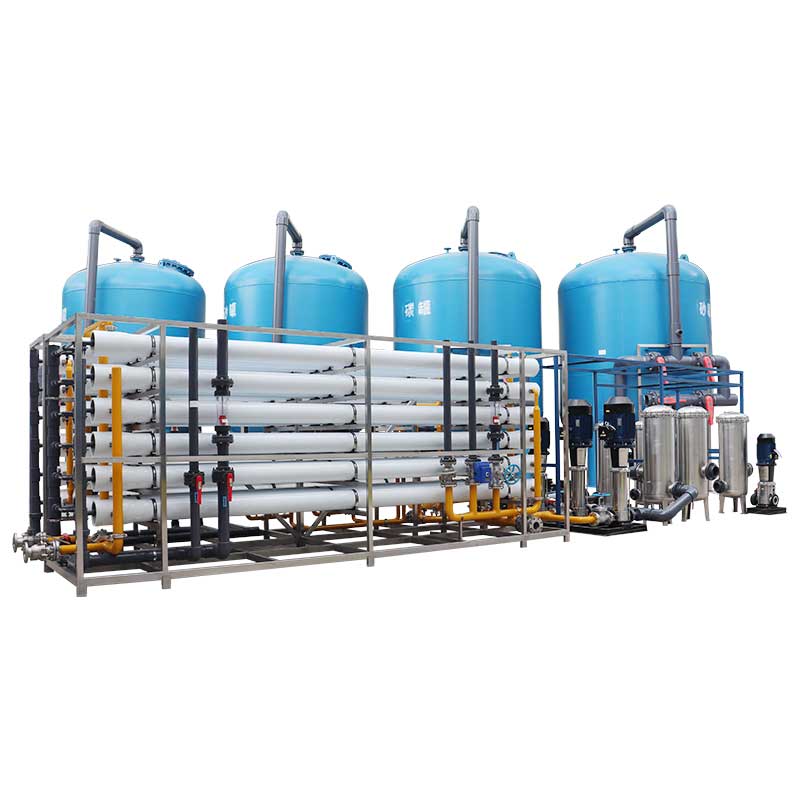
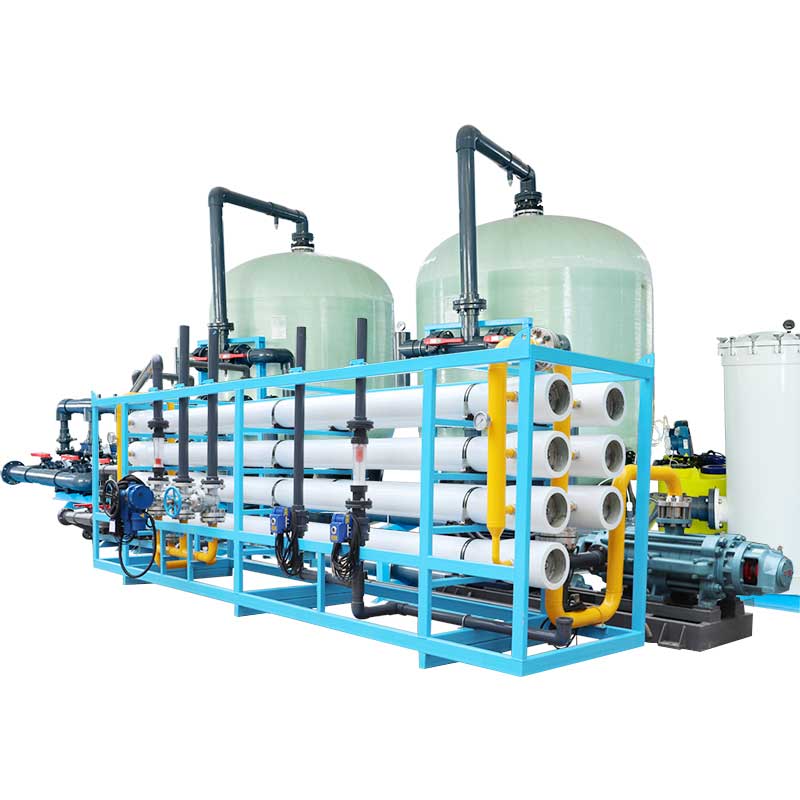
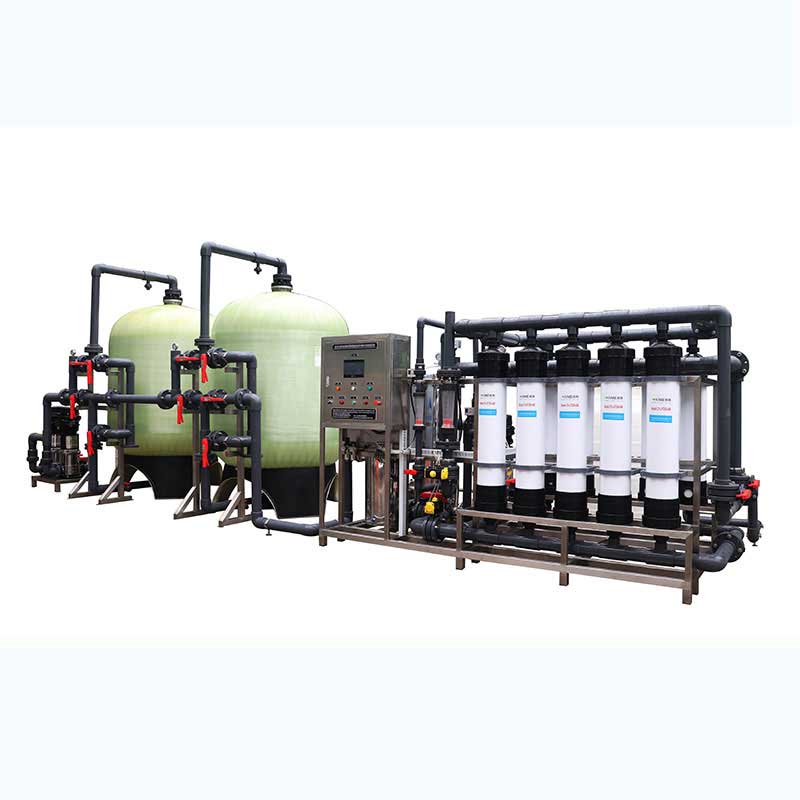
We also create water treatment systems for different needs. Our systems can be used in many places.
Drinking enough water is key for astronauts on long missions. The International Space Station recycles up to 80% of its water. This shows how important space hydration techniques are for their success.
The Unique Challenges of Hydration in Zero Gravity
In space, drinking water is hard for astronauts. Liquids act differently than on Earth, making it tough to drink.
Physics of Liquids in Microgravity
Liquids act strangely in space. They form spheres because of surface tension. This makes drinking water a challenge.
Surface Tension and Fluid Behavior
Surface tension makes liquids want to be spheres. This stops them from flowing like they do on Earth. Drinking water becomes harder.
Containment Challenges
Keeping liquids in space is hard. They float away easily. Astronauts need special containers to handle liquids.
Health Implications of Dehydration for Astronauts
Dehydration is a big problem for astronauts. It’s linked to a condition called fluid shift. Keeping an eye on hydration is key to their health.
Fluid Shift Phenomenon
The fluid shift happens when fluids move up in the body in space. It can cause dehydration. For more info, visit https://www.ncbi.nlm.nih.gov/books/NBK223785/.
Monitoring Hydration Status
It’s important to check if astronauts are hydrated. They track their water intake and watch their body’s signs.
| Hydration Challenge | Description | Solution |
| Liquid Containment | Liquids float away in microgravity | Specialized containers |
| Fluid Shift Phenomenon | Fluids shift towards the upper body | Monitoring hydration status |
| Dehydration | Inadequate water consumption | Hydration schedules |
Evolution of Space Hydration Systems
Space hydration has changed a lot over time. It started with simple water containers and now includes recycling systems. As space missions have grown longer, so has the need for better hydration systems.
Early Space Program Water Solutions
Early space programs used basic water storage. Astronauts had simple containers that took up a lot of space and were heavy.
Mercury and Gemini Missions
Mercury and Gemini missions used simple containers for water. Astronauts drank from straws or squeeze bags. This worked for short flights.
Apollo Program Innovations
The Apollo program introduced new water management. They used water from fuel cells, a byproduct of electricity. This added to the astronauts’ water supply.
Technological Breakthroughs in Space Hydration
New technologies have greatly improved space hydration. Today’s systems include water recycling and purification. These are similar to our Reverse Osmosis Systems.
International Space Station Water Systems
The International Space Station (ISS) is a big step forward. It has a complex water recycling system. This system reuses water, cutting down on the need for resupply missions. It shows how staying hydrated in space is now more sustainable.
Current Technologies for How to Drink Water in Space
Space agencies have come up with new ways for astronauts to drink water in space. Since space is a unique place, they need special systems for water.
Specialized Containers and Delivery Systems
Astronauts use special containers and systems to drink water in space. These are made to be efficient and waste-free.
Drink Bags Design and Function
Drink bags are a common way to store and drink water in space. They have a valve that lets astronauts drink without spilling. The bags are flexible and can be squeezed to get water out.
Needle and Septum Systems
Another method is the needle and septum system. A needle is used to get water from a sealed bag. This keeps the water safe from leaks and contamination.
Water Dispensing Techniques
In space, how water is dispensed is key to avoid spills and contamination. Astronauts use special ways to drink water safely.
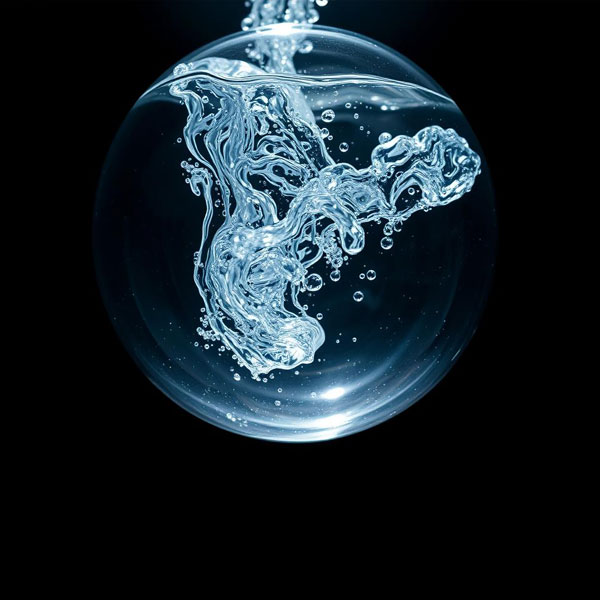
Creating Water "Balls" in Microgravity
One method is to make water “balls” or spheres. This is done by shaping the water into a ball, which can then be drunk.
Preventing Contamination
Keeping water clean is very important in space. Systems are made to fight off germs and are sealed to keep out space.
| Technology | Description | Benefits |
| Drink Bags | Flexible bags with a valve for drinking | Easy to use, minimizes spillage |
| Needle and Septum | System using a needle to access water | Prevents leakage, secure |
| Water “Balls” | Technique to form water into spheres | Unique method for consumption in microgravity |
These technologies and methods show how astronauts can drink water in space. They ensure astronauts stay hydrated during their missions.
Water Recycling in Space: A Necessity for Long Missions
As space missions get longer, saving water becomes key. Water is very valuable in space. It’s essential for the success of long missions.
The ISS Water Recovery System
The International Space Station (ISS) has a smart water recycling system. It turns water from urine and other sources into clean water. This system is vital for the ISS’s life support, saving water and reducing the need for resupply.
Urine Processing Assembly (UPA)
The Urine Processing Assembly (UPA) is a big part of the ISS’s water recycling. It uses chemicals and distillation to clean urine. Then, it makes the water ready for further purification.
Water Processor Assembly (WPA)
The Water Processor Assembly (WPA) takes the UPA’s output and makes it even cleaner. It uses advanced filters and disinfection. This makes the water safe to drink.
Purification Processes Similar to Earth-Based Systems
The purification methods in space are like those on Earth, like Chunke Water Treatment. These include filtration, ultrafiltration, and reverse osmosis.
Filtration and Ultrafiltration Stages
Filtration and ultrafiltration are key in purifying water. They remove big particles and tiny germs. These steps are crucial for clean drinking water.
Reverse Osmosis Applications
Reverse osmosis (RO) is also used in space and on Earth. RO systems, which make ro water, use a special membrane. This membrane filters out solids and impurities from the water.
We’re excited to offer water treatment solutions for many industries. The tech for space hydration shows our dedication to innovation and sustainability.
Daily Water Consumption Protocols for Astronauts
In space, astronauts need to stay hydrated to stay healthy. They follow strict water intake rules to keep their health and performance up.
Recommended Hydration Schedules
Astronauts stick to hydration schedules to stay hydrated. These schedules help them drink the right amount of water at the right time. They consider their activity and the space environment.
For example, astronauts drink a set amount of water at regular times. This keeps their hydration levels optimal. It’s key for their physical and mental health.
Monitoring Astronaut Hydration Levels
Keeping an eye on astronauts’ hydration is crucial. We use advanced sensors and tracking systems to check their hydration status.
Biomedical Sensors and Tracking
Biomedical sensors are key in tracking hydration. They detect small changes in hydration levels. This allows for quick action if needed.
Adjusting for Individual Needs
Hydration plans are also tailored to each astronaut. We consider their health, activity, and mission needs. This ensures the hydration plan fits them best.

| Hydration Factor | Description | Importance Level |
| Water Intake | Amount of water consumed daily | High |
| Activity Level | Astronaut’s daily activity level | Medium |
| Environmental Conditions | Temperature and humidity of the spacecraft | High |
Advanced Filtration Technologies: From Space to Earth
Space technology has led to big steps in water filtration systems. Space agencies need reliable water recycling for long missions. Now, these technologies help us treat water better on Earth.
Reverse Osmosis Systems in Space Applications
Reverse osmosis (RO) is key in space and on Earth for water treatment. In space, RO systems recycle water from wastewater. This is vital for missions where getting new water is not possible.
Membrane Technology Advancements
New membrane materials have made RO systems better. They let more water through and use less energy. These improvements help both space and Earth’s RO systems.
Energy Efficiency Innovations
Improving energy use is a big goal in RO system development. This helps spacecraft save power for other important systems. Now, these energy-saving ideas are used in water plants on Earth too.
How Chunke Water Treatment Applies Space-Grade Technology
At Chunke Water Treatment, we use space-grade tech in our systems. This means better, more reliable water treatment for Earth.
Reverse Osmosis Plant Systems
Our RO systems use the newest membrane tech and energy-saving designs. They can handle many water types, from brackish to wastewater.
Ultrafiltration and Electrodeionization Innovations
We also use ultrafiltration and electrodeionization in our plants. These, developed for space, treat water well with little energy.
| Technology | Space Application | Terrestrial Application |
| Reverse Osmosis | Water recycling on ISS | Drinking water treatment |
| Ultrafiltration | Wastewater treatment | Industrial water treatment |
| Electrodeionization | Water purification | Pharmaceutical water treatment |
Using space-grade tech in our systems means better water solutions. We’re excited to help make water treatment more efficient and sustainable on Earth.
Future Innovations in Space Hydration
As we plan to send humans to Mars and beyond, finding better ways to keep them hydrated is key. Long and complex space missions require astronauts to stay hydrated for their health and mission success.
Upcoming NASA and ESA Water Projects
NASA and the European Space Agency (ESA) are working on new water projects. They aim to create next-generation recycling systems and closed-loop water systems. These will help reduce the need for resupply missions.
Next-Generation Recycling Systems
New recycling systems are being made to improve water recovery and cut down waste. They use advanced technologies to clean and reuse water from different sources, like wastewater and condensation.
Closed-Loop Water Systems
Closed-loop water systems are a big step in managing astronaut water use. They recycle and reuse water, reducing the need for new supplies. This makes long space missions more sustainable.
Preparing for Mars Missions: Water Challenges
Preparing for Mars missions brings a big challenge: finding a reliable water supply for astronauts. We need to find new ways to keep them hydrated in space.
Extended Mission Requirements
Mars missions will need systems that can support astronauts for months or years. This means we must develop strong and sustainable water management plans.
In-Situ Resource Utilization
In-situ resource utilization (ISRU) is a technology that will let Mars missions use Martian water. This will make long missions more sustainable.
| Technology | Description | Benefit |
| Next-Generation Recycling Systems | Advanced water recycling technology | Improved water recovery rates |
| Closed-Loop Water Systems | Water recycling and reuse | Reduced need for resupply missions |
| In-Situ Resource Utilization | Extracting water from Martian resources | Enhanced mission sustainability |
We’re dedicated to creating innovative water solutions for space missions. By using advanced space hydration techniques, we can keep astronauts safe and healthy on long missions.
The Critical Role of Water Treatment in Space Exploration
Space exploration depends a lot on good water treatment systems. As we explore more space, we need reliable water management. Water is very important for the health and safety of astronauts.
Water as a Limited Resource Beyond Earth
In space, water is very rare. This makes every drop very valuable. Chunke Water Treatment knows how important it is to save water in space missions.
Technological Crossover Between Space and Earth Applications
Space exploration has led to new technologies that help us on Earth. Our water treatment systems, inspired by space tech, offer advanced solutions for many industries.
Efficiency Improvements
Using space-grade technology in water treatment makes it more efficient. Our systems are designed to use water well and waste less.
Miniaturization Benefits
Space research has made water treatment technologies smaller. This means we can use compact, effective systems in many places. This includes remote communities and industrial sites.
By using water treatment tech from space, we can solve some big water problems on Earth. Our goal is to innovate in water treatment for both space and Earth.
Conclusion: The Universal Importance of Water Technology
Drinking water in space is a big challenge that needs new ideas. Chunke Water Treatment is all about finding effective ways to treat water for different industries. Our tech, inspired by space, helps us here on Earth too, showing how vital water tech is everywhere.
The creation of reverse osmosis systems and other space hydration methods has led to big steps in water treatment. These are key for space missions, where clean drinking water is hard to get. Learning how to drink water in space helps us tackle water shortages on Earth too.
As we keep exploring space, the need for good water treatment will keep growing. Chunke Water Treatment is leading the way, making tech for space and Earth. By investing in water tech, we can make sure our planet and future space missions are sustainable.